Creating for the Consumer: An Exploration into User-Focused Design and the Process of Design Rationalization
Creating for the Consumer: An Exploration into User-Focused Design and the Process of Design Rationalization
Creating for the Consumer: An Exploration into User-Focused Design and the Process of Design Rationalization
Creating for the Consumer: An Exploration into User-Focused Design and the Process of Design Rationalization
Creating for the Consumer: An Exploration into User-Focused Design and the Process of Design Rationalization
Creating for the Consumer: An Exploration into User-Focused Design and the Process of Design Rationalization
Nov 2023
Step into the world of design where the user takes center stage. In this blog, we'll embark on a deep dive into the realm of User-Centered Design (UCD) and the design thinking process. It's not just about pixels and aesthetics; it's about understanding, empathizing, and creating experiences that resonate with the people using our products. Let's unravel the layers of user-centric innovation.
Understanding User-Centered Design:
User-Centered Design is a philosophy that places the needs, preferences, and behaviors of users at the forefront of the design process. It's not just about creating visually appealing interfaces; it's about crafting solutions that genuinely address the challenges and desires of the end-users.
The Design Thinking Process Demystified:
Design thinking is the creative problem-solving approach that underpins User-Centered Design. It consists of five key stages:
1. Empathize: Understanding the User
- Immerse yourself in the user's world.
- Conduct interviews, surveys, and observations to empathize with their needs and challenges.
2. Define: Refining the Problem Statement
- Synthesize the gathered information to define the core problems.
- Craft a human-centric problem statement that guides the design process.
3. Ideate: Generating Creative Solutions
- Enter the brainstorming phase to generate a myriad of ideas.
- Encourage wild thinking and collaboration to explore innovative solutions.
4. Prototype: Bringing Ideas to Life
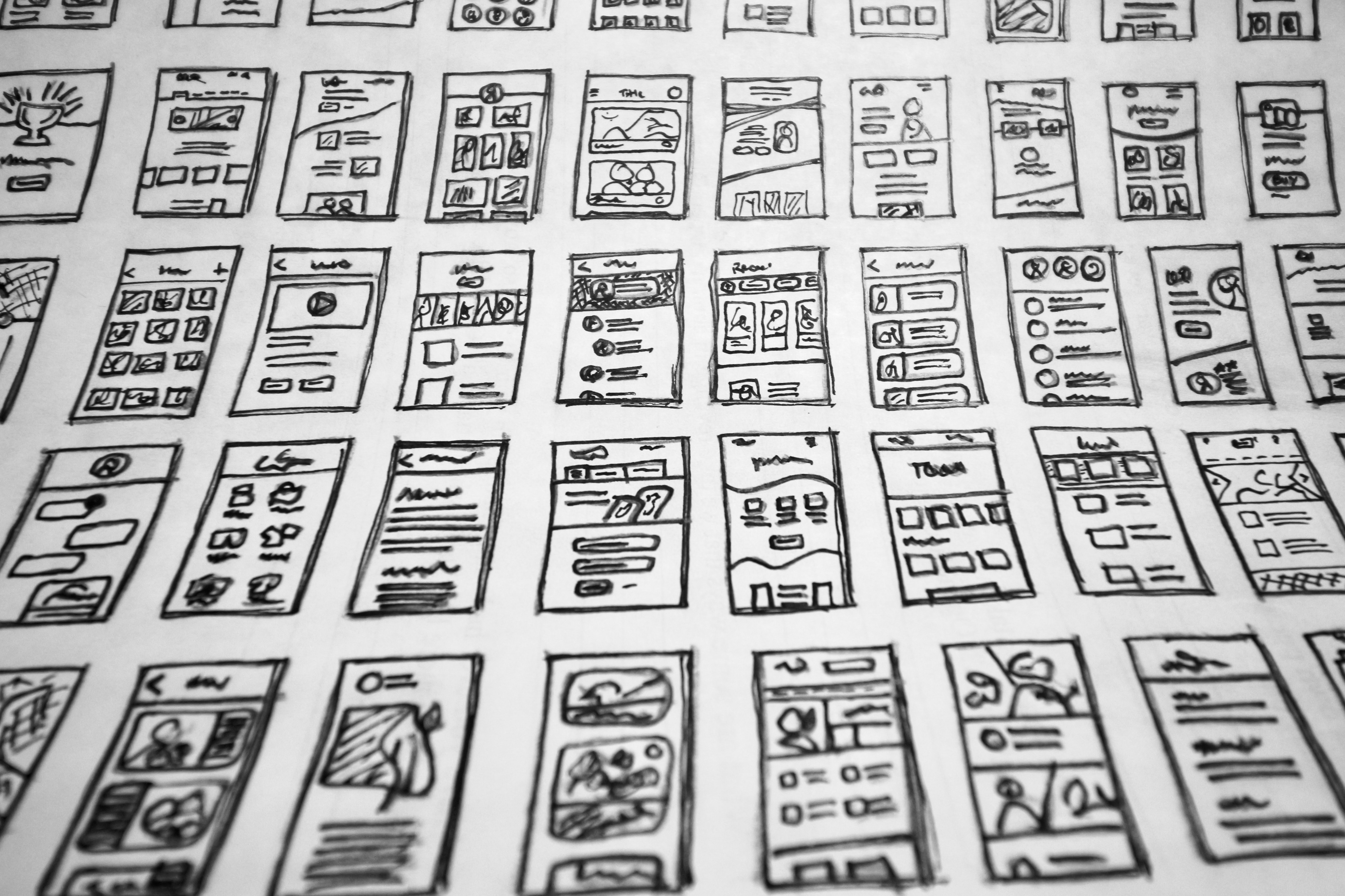
- Develop tangible representations of your ideas.
- It could be sketches, wireframes, or even interactive prototypes, allowing for early user feedback.
5. Test: Iterating Based on Feedback
- Gather user feedback through testing.
- Use insights to refine and iterate the design, closing the loop for continuous improvement.
Practical Tips for Designers:
1. User Personas: Create detailed user personas to better understand your target audience and their unique characteristics.
2. Collaboration is Key: Involve multidisciplinary teams in the design process. Diverse perspectives lead to richer solutions.
3. Fail Fast, Learn Faster: Embrace the iterative nature of design thinking. Failures are stepping stones to success; learn from them and adapt.
Real-World Examples:
1. IDEO's Redesign of the Shopping Cart:
- IDEO, a pioneer in design thinking, tackled the challenge of redesigning the shopping cart by observing shoppers, empathizing with their frustrations, and ultimately creating a more user-friendly solution.
2. Airbnb's Host Guarantee:
- Airbnb's design thinking journey led to the creation of the Host Guarantee, addressing the concerns of hosts and instilling trust in the platform.
User-Centered Design and the design thinking process are not just methodologies; they're mindsets that prioritize the human experience. As designers, let's embark on a journey of empathy, creativity, and continuous improvement. By weaving the threads of user-centricity into our design process, we create not just products but meaningful and impactful experiences. Happy designing!
Step into the world of design where the user takes center stage. In this blog, we'll embark on a deep dive into the realm of User-Centered Design (UCD) and the design thinking process. It's not just about pixels and aesthetics; it's about understanding, empathizing, and creating experiences that resonate with the people using our products. Let's unravel the layers of user-centric innovation.
Understanding User-Centered Design:
User-Centered Design is a philosophy that places the needs, preferences, and behaviors of users at the forefront of the design process. It's not just about creating visually appealing interfaces; it's about crafting solutions that genuinely address the challenges and desires of the end-users.
The Design Thinking Process Demystified:
Design thinking is the creative problem-solving approach that underpins User-Centered Design. It consists of five key stages:
1. Empathize: Understanding the User
- Immerse yourself in the user's world.
- Conduct interviews, surveys, and observations to empathize with their needs and challenges.
2. Define: Refining the Problem Statement
- Synthesize the gathered information to define the core problems.
- Craft a human-centric problem statement that guides the design process.
3. Ideate: Generating Creative Solutions
- Enter the brainstorming phase to generate a myriad of ideas.
- Encourage wild thinking and collaboration to explore innovative solutions.
4. Prototype: Bringing Ideas to Life
- Develop tangible representations of your ideas.
- It could be sketches, wireframes, or even interactive prototypes, allowing for early user feedback.
5. Test: Iterating Based on Feedback
- Gather user feedback through testing.
- Use insights to refine and iterate the design, closing the loop for continuous improvement.
Practical Tips for Designers:
1. User Personas: Create detailed user personas to better understand your target audience and their unique characteristics.
2. Collaboration is Key: Involve multidisciplinary teams in the design process. Diverse perspectives lead to richer solutions.
3. Fail Fast, Learn Faster: Embrace the iterative nature of design thinking. Failures are stepping stones to success; learn from them and adapt.
Real-World Examples:
1. IDEO's Redesign of the Shopping Cart:
- IDEO, a pioneer in design thinking, tackled the challenge of redesigning the shopping cart by observing shoppers, empathizing with their frustrations, and ultimately creating a more user-friendly solution.
2. Airbnb's Host Guarantee:
- Airbnb's design thinking journey led to the creation of the Host Guarantee, addressing the concerns of hosts and instilling trust in the platform.
User-Centered Design and the design thinking process are not just methodologies; they're mindsets that prioritize the human experience. As designers, let's embark on a journey of empathy, creativity, and continuous improvement. By weaving the threads of user-centricity into our design process, we create not just products but meaningful and impactful experiences. Happy designing!
Related posts
Aug 2023
The Future of UX: Embracing AI and Machine Learning
In the ever-evolving landscape of technology, AI and machine learning have emerged as pivotal elements in shaping the future of UI/UX design.


Aug 2023
The Future of UX: Embracing AI and Machine Learning
In the ever-evolving landscape of technology, AI and machine learning have emerged as pivotal elements in shaping the future of UI/UX design.
Aug 2023
The Future of UX: Embracing AI and Machine Learning
In the ever-evolving landscape of technology, AI and machine learning have emerged as pivotal elements in shaping the future of UI/UX design.
Mar 2023
The Power of Colors: How They Shape Your Online Experience
Dive into the world of colors and discover how they shape your online experience, making UI/UX design not just visually appealing but emotionally resonant.

Mar 2023
The Power of Colors: How They Shape Your Online Experience
Dive into the world of colors and discover how they shape your online experience, making UI/UX design not just visually appealing but emotionally resonant.
Mar 2023
The Power of Colors: How They Shape Your Online Experience
Dive into the world of colors and discover how they shape your online experience, making UI/UX design not just visually appealing but emotionally resonant.
Feb 2023
Designing Harmony: Embracing Responsive Design Trends in 2023
Explore the waves of innovation in responsive design for 2023, ensuring your favorite websites and apps adapt seamlessly to the diverse screens of our digital devices.
Feb 2023
Designing Harmony: Embracing Responsive Design Trends in 2023
Explore the waves of innovation in responsive design for 2023, ensuring your favorite websites and apps adapt seamlessly to the diverse screens of our digital devices.
Feb 2023
Designing Harmony: Embracing Responsive Design Trends in 2023
Explore the waves of innovation in responsive design for 2023, ensuring your favorite websites and apps adapt seamlessly to the diverse screens of our digital devices.